Early Interceptive Orthodontics | Phase 1In Lititz
Starting orthodontic care early for your child might feel like a big step, but proactive treatment can help address small issues before they become bigger concerns. Early care can often reduce or even eliminate the need for more extensive treatments down the road, setting the foundation for strong oral health.
Why Choose Early Interceptive Orthodontic Treatment (Phase I)?
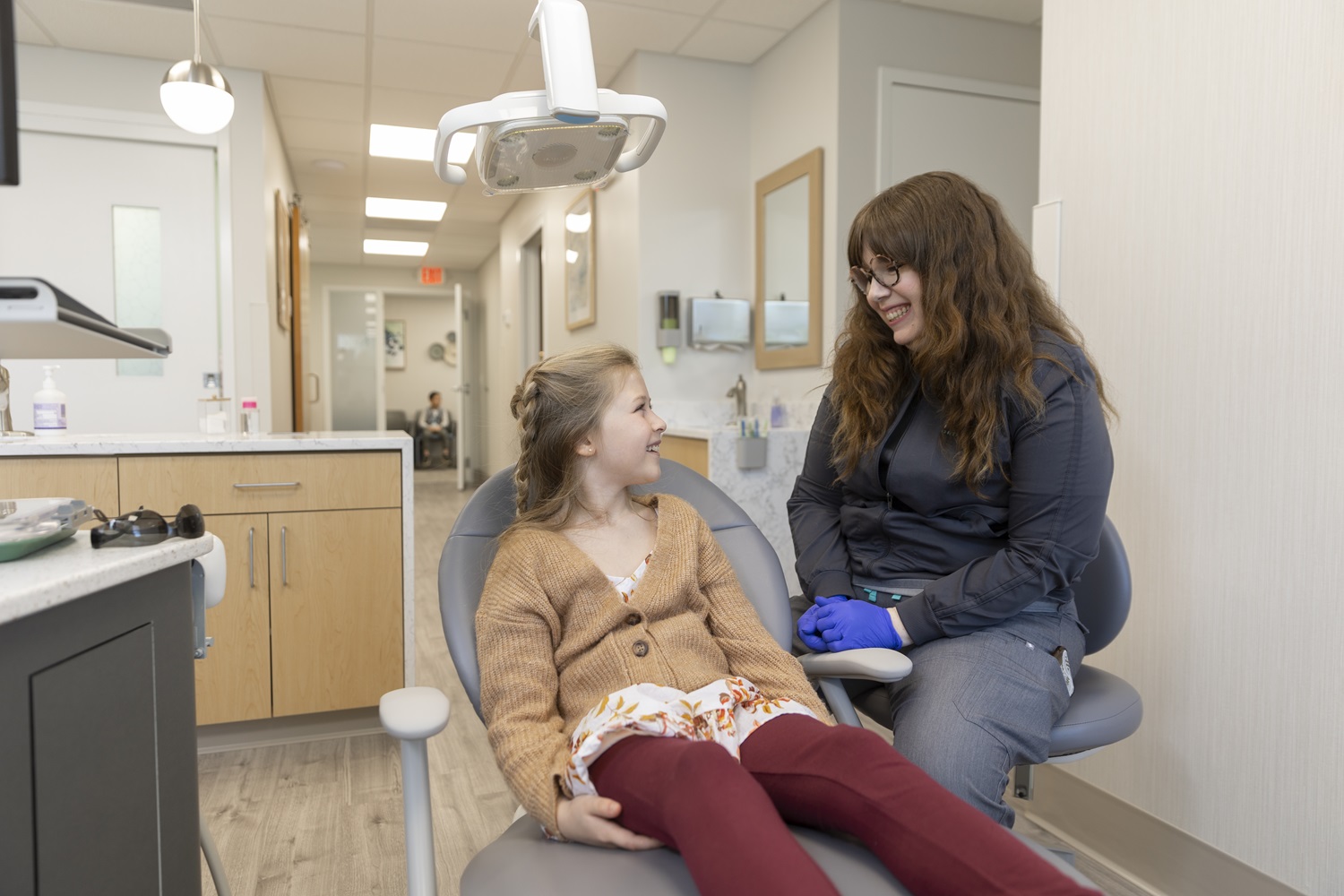
Because the sooner you get treatment for your child, the better the alignment of their teeth and jaws will be. Orthodontic problems often become obvious as early as the age of 6-8 in some kids. By using special early orthodontic treatments, orthodontists can correct lots of these problems while your child’s jaws are still growing, and before all of their permanent teeth erupt. This is known as “Phase 1” orthodontic treatment. Getting phase 1 treatment can simplify your child’s future treatment with braces, and can even eliminate the need for further orthodontic procedures, in some cases.
The Benefits of Phase 1 Orthodontics
Promote Proper Bite Development
Phase 1 orthodontics plays a crucial role in addressing jaw issues or a narrow palate, which can hinder the development of a proper bite. Without early intervention, these problems can lead to difficulties such as speech impediments, premature tooth wear, or complications when permanent teeth erupt.
Support Proper Tooth Eruption
Early treatment helps guide adult teeth into their correct positions, reducing or even eliminating misalignment. This can improve your child’s smile and oral health frequently allowing for a better result when treating with full braces down the road. In some cases, comprehensive treatment may be rendered unnecessary by early treatment.
Encourage Healthy Growth
Early intervention can improve oral function, support clear speech, and make it easier to maintain healthy teeth and gums. In some cases it can play a role in improving airway function. While not every child needs Phase 1 treatment, it can be a proactive step to address specific concerns and lay the foundation for a healthy, confident smile.
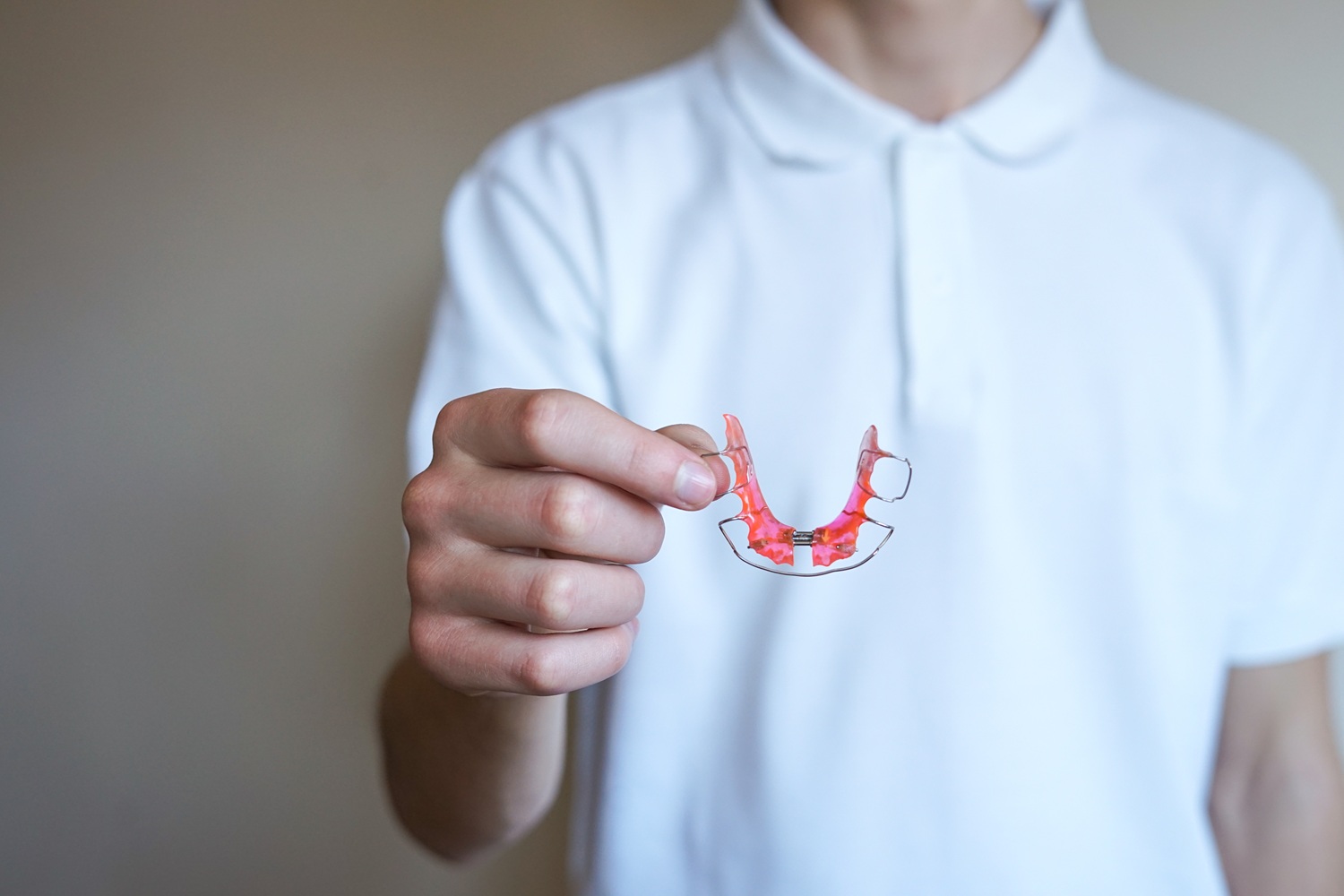
Functional Appliances
For certain bite problems, we use functional appliances to help guide the way the upper and lower jaws fit together as your child grows. When used at the right stage of growth, these appliances can improve the bite and help create a healthy, lasting smile.
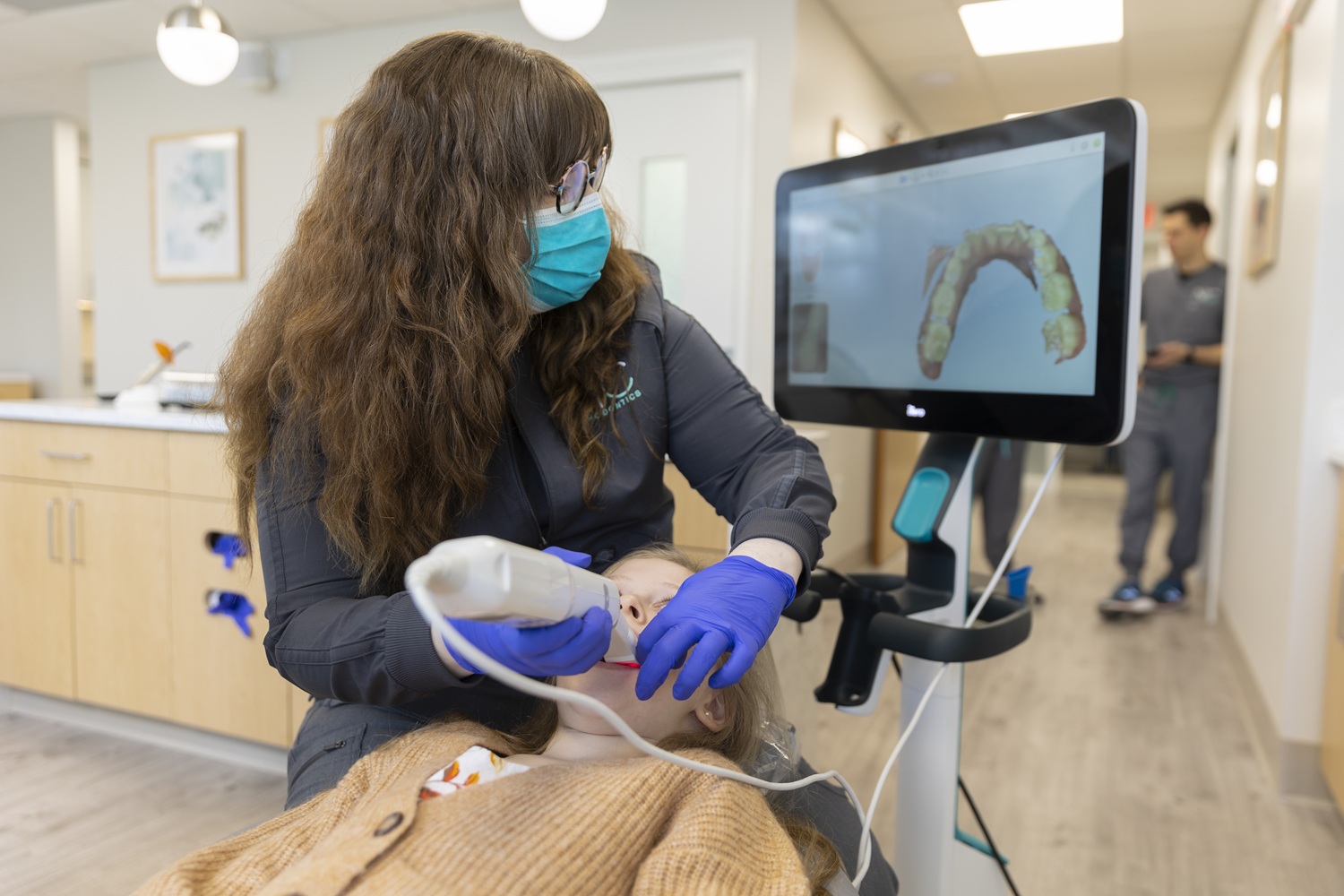
GOODBYE, GOOPY IMPRESSIONS!
Instead of using goopy impressions, we take a quick, precise digital scan to fit for appliances. This modern approach makes the process faster, cleaner, and more comfortable.

Airway conscious orthodontics
We take an airway-minded approach to orthodontic care, recognizing the important relationship between tooth alignment, jaw development, and breathing. When properly diagnosed—often in collaboration with an ENT—certain orthodontic treatments may help support healthy airway function and long-term wellness.

PERSONALIZED TREATMENT PLAN
Every child’s smile is unique, and their treatment plan should be, too. We take the time to evaluate each patient’s individual needs and create a customized plan to achieve the best results. There’s no one-size-fits-all approach here—just thoughtful, tailored care designed to fit your child’s particular needs.

PATIENT-FOCUSED CARE
At Nic Orthodontics, we take the time to support every child’s unique needs. Using the Tell-Show-Do approach, we explain, demonstrate, and guide them through each step to help them feel comfortable. For children who are especially nervous, we offer Comfort Visits so they can get familiar with our team and office before starting treatment.
The Early Interceptive Orthodontics Treatment Process
Options for Every Budget
We understand that orthodontic treatment is a big investment. That’s why we offer a variety of flexible solutions to help you finance treatment on your terms.
Free Orthodontic Consultation
Flexible Financing Options
0% Interest In-House Payment Plans
Before & Afters
A smile is worth 1,000 words.
See real patient success stories.

.png)
Open Bite - Phase 1 Expander and limited braces

Frequently Asked Questions
Check out these frequently asked questions, or call us to speak with our team.